
Notes on radiant heating.
Page 3 of 4. 35 articles on how infrared heating works, what it costs to run, and what it is like to live with.
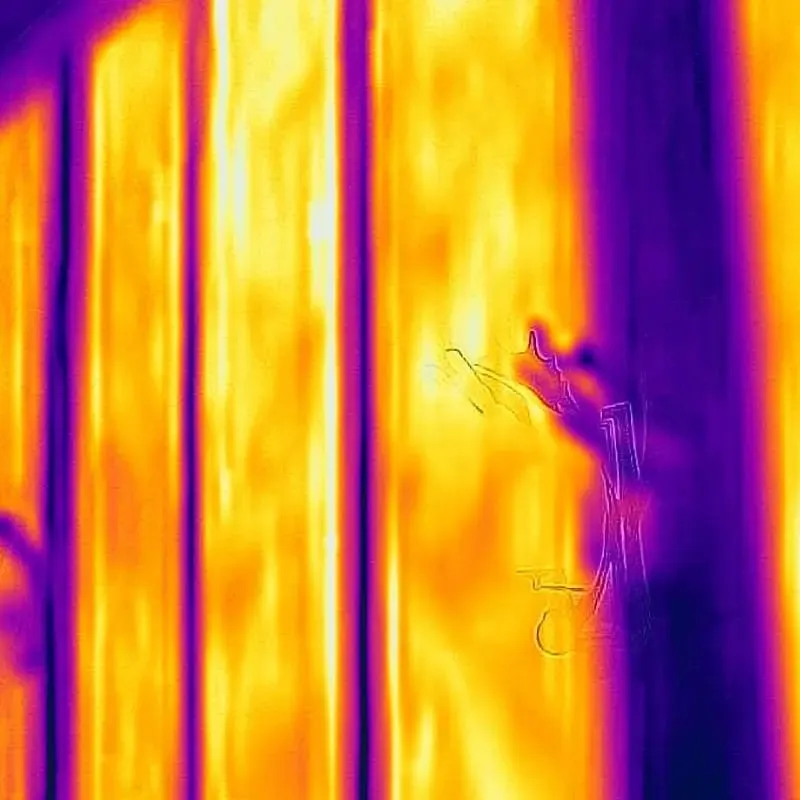
Wall or ceiling heating: which should you choose?
Heated walls store heat and suit tall rooms. Heated ceilings spread heat evenly and free up the walls. How to choose, and what each costs to install and run.
Read the article →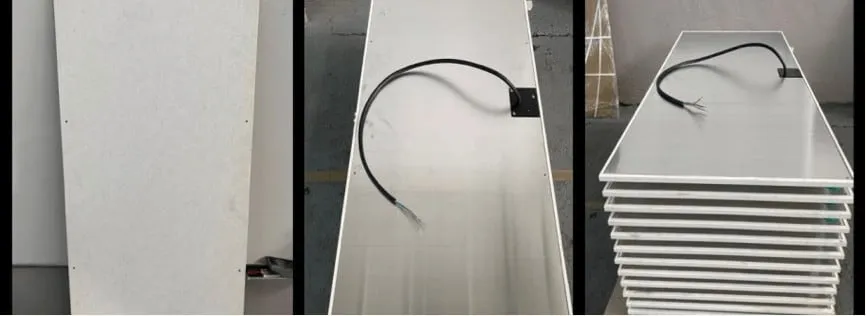
PowerBoard vs standard infrared panels: what actually differs
Most infrared panels use a resistive wire and hang on the wall at 90 to 110 °C. PowerBoard uses full-surface carbon fibre in the ceiling. Five differences.
Read the article →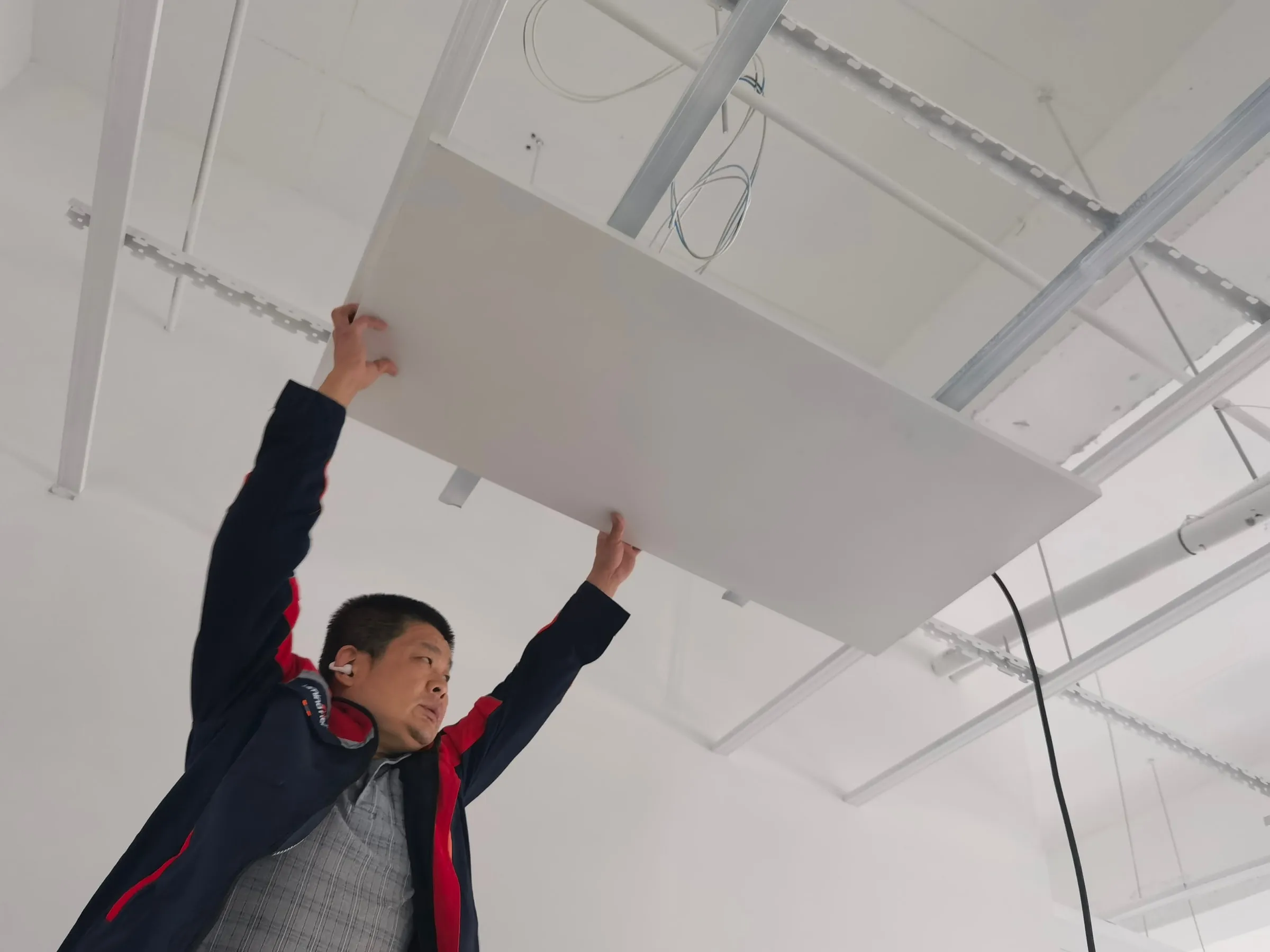
Twelve minutes a board: PowerBoard installation speed
PowerBoard infrared ceiling panels go in at around twelve minutes each, connection included. What that does to a building programme against wet systems.
Read the article →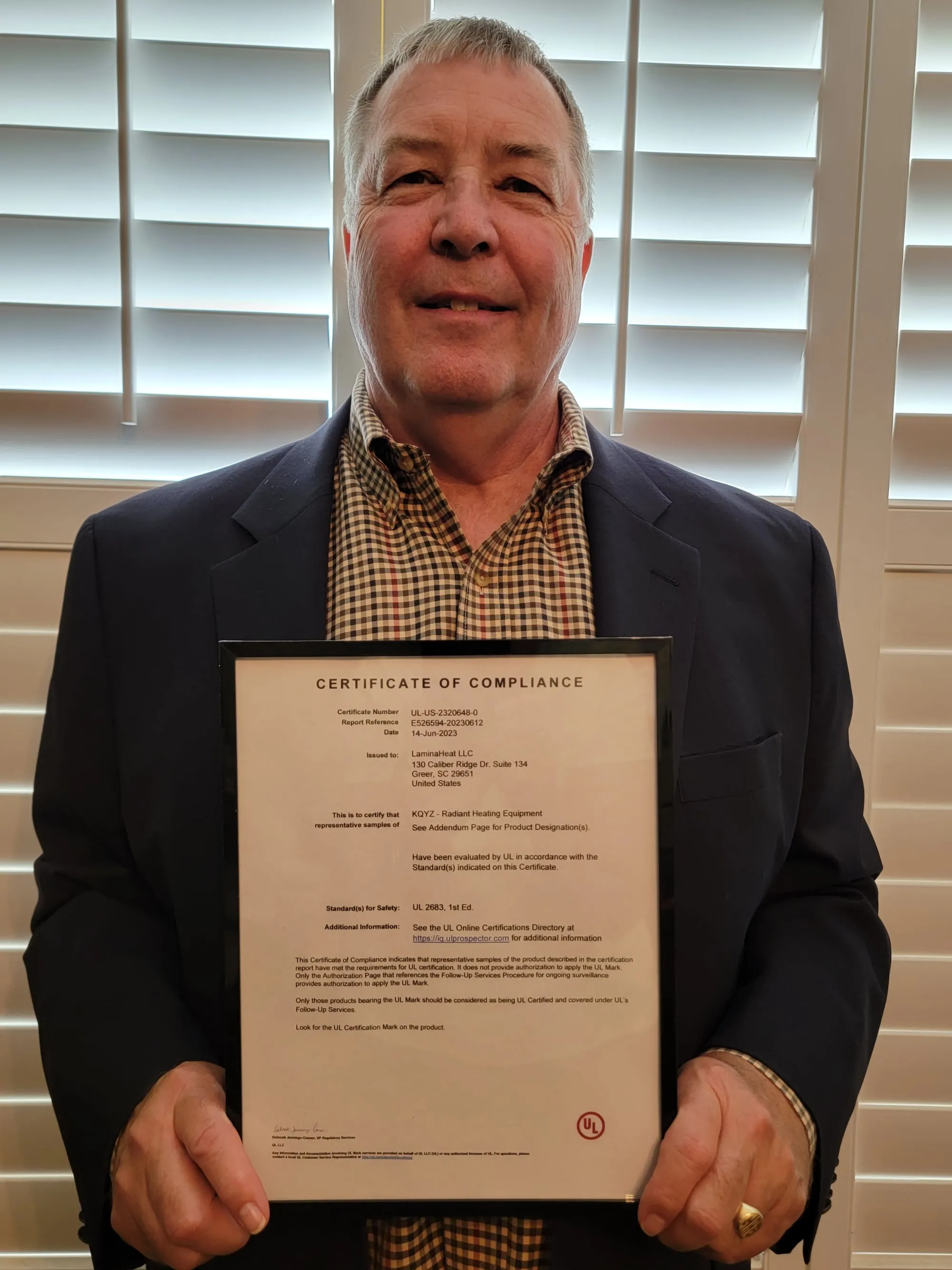
SafeTech EGS carbon fibre heating film receives UL 2683 certification
Our mains-voltage carbon-fibre heating film is certified to UL 2683, the standard for heating elements. What it tests, and why full-surface film is harder.
Read the article →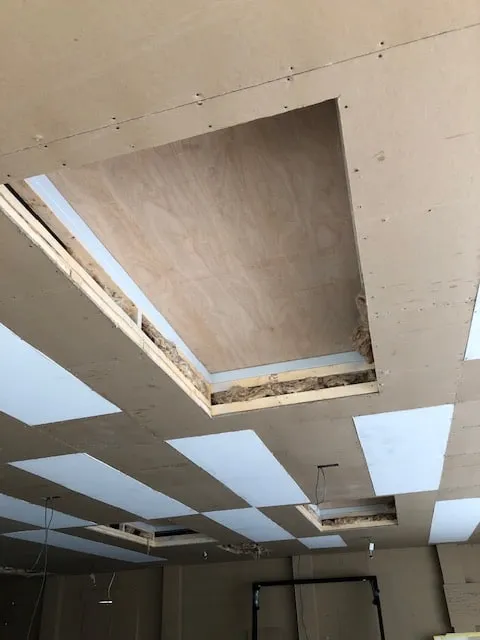
PowerBoard is BEAB IEC 60335-1 certified
PowerBoard ceiling heating holds Intertek BEAB certification to IEC 60335-1, the safety standard for household appliances. What it actually covers.
Read the article →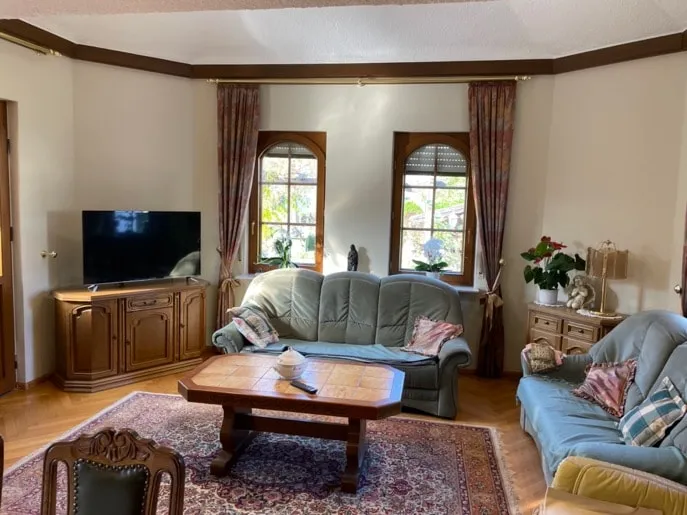
Radiant heating and humidity: the link most people miss
Warm surfaces don’t reach dew point, so they don’t condense. How radiant heating keeps humidity at 40 to 60% and why that matters for mould and comfort.
Read the article →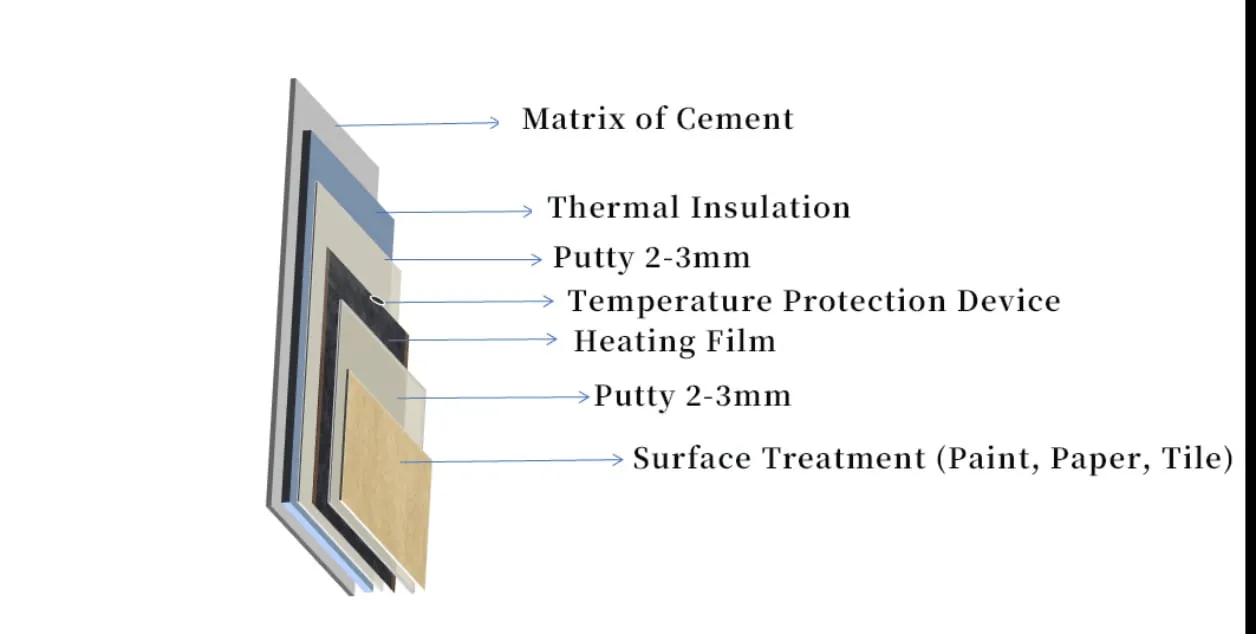
Proximity to surface: the overlooked half of heating efficiency
Boilers and heat pumps make heat far from where it’s used, and every metre of pipe costs energy. Why heat made millimetres from the surface changes the sums.
Read the article →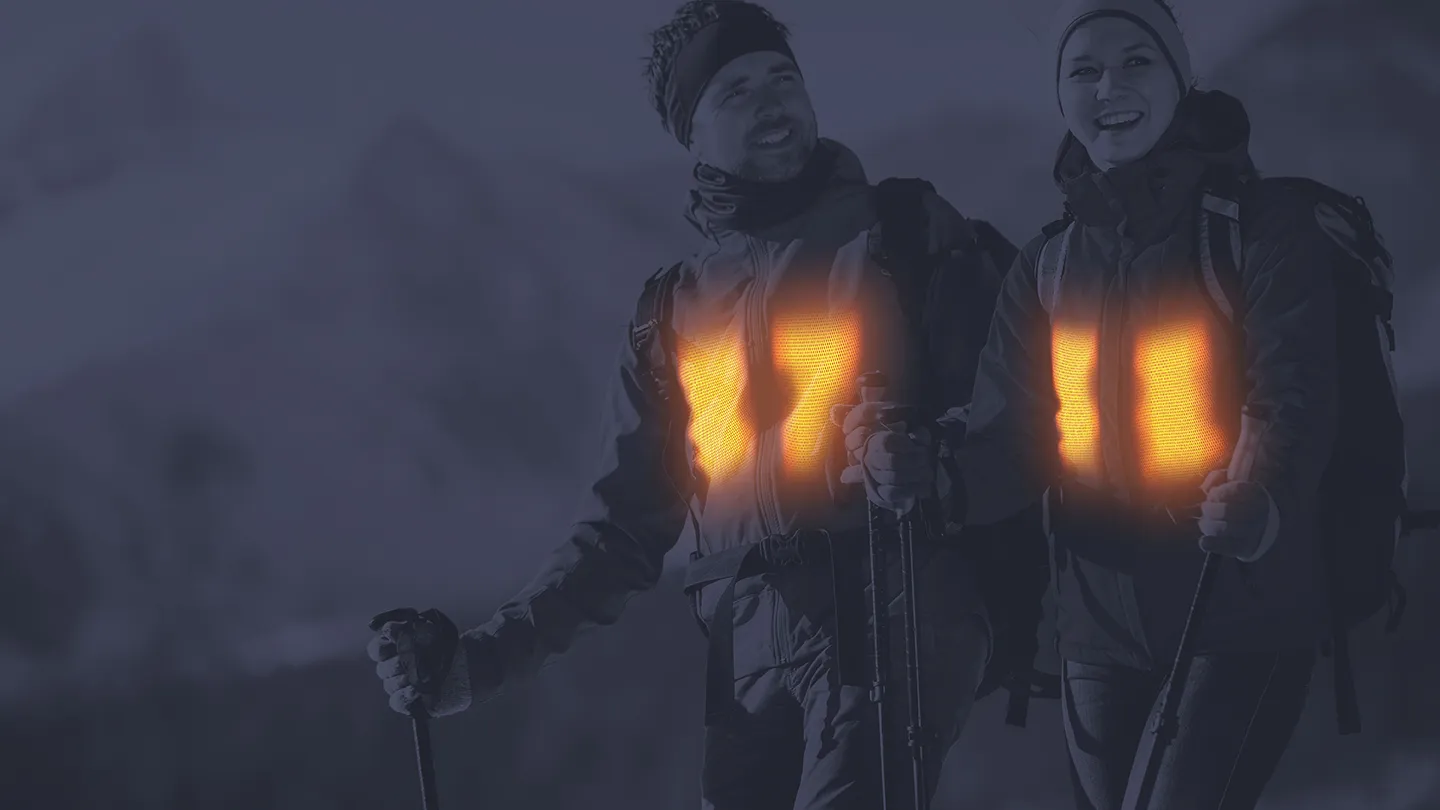
How clothing plays a role in the thermostat wars
A suit and a summer dress can be six degrees apart in comfort. What clo values are, and what clothing means for setting an office temperature.
Read the article →
Why do some people run hot and others cold?
Metabolism explains most of the office thermostat war. How metabolic rate, activity and body build change the heat a person makes, and why no setting suits all.
Read the article →
Is far infrared heating safe?
Is far infrared heating safe? Far infrared is non-ionising, low-energy radiation. What our films emit, and why surface temperature is the real safety question.
Read the article →Send us a floor plan.We will send back a heating system.
Project data, drawings or CAD files in. A room-by-room heat loss, element layout and priced proposal out. No obligation.