
Notes on radiant heating.
Page 2 of 4. 35 articles on how infrared heating works, what it costs to run, and what it is like to live with.

Do non-radiant heaters dry out the air in your home?
Dry lips, itchy skin and static in winter? Heating doesn’t remove moisture from the air, but it lowers relative humidity, and some heaters make it far worse.
Read the article →
How to keep your house warm without turning up the heat
Stay warm this winter without touching the thermostat: seal draughts, warm the surfaces, dress for it, and heat the room you’re in, not the whole house.
Read the article →
Productivity at different temperatures: heat, cold and employee performance
Office temperature measurably affects errors, concentration and output. Where the productive band sits, and why one setting never suits a whole floor.
Read the article →
Infrared heating for different room types
Living rooms, bedrooms and bathrooms each need something different from their heating. Which surface to heat and which element to use, room by room.
Read the article →
Infrared heating for schools: what estates teams and bursars should know
Infrared heating for schools and nurseries: heat each classroom only while it’s in use, safe surfaces for children, no maintenance, fitted over the summer.
Read the article →
How to calculate coverage for infrared heaters
How to work out how much infrared heating a room needs and how many panels that means: heat load bands, a worked example, and where to place the panels.
Read the article →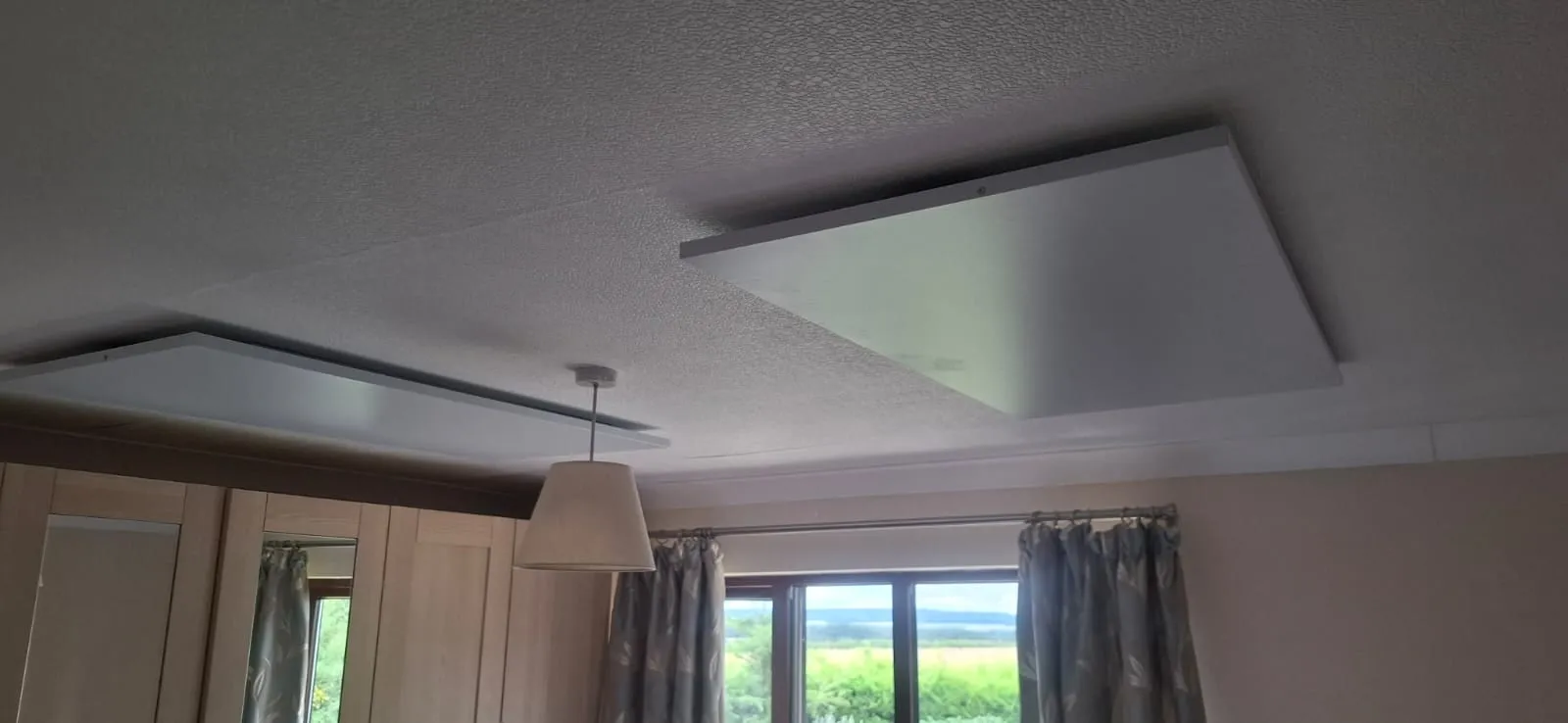
Infrared heating for hospitals and care homes: what estates teams should know
Infrared heating for hospitals, care homes and clinics: no stored water, no fans, no servicing in occupied rooms and safe surface temperatures.
Read the article →
Infrared heating panels: a complete guide
The three classes of infrared panel, how to size and place them, what to check before buying, and where an embedded system beats a surface-mounted one.
Read the article →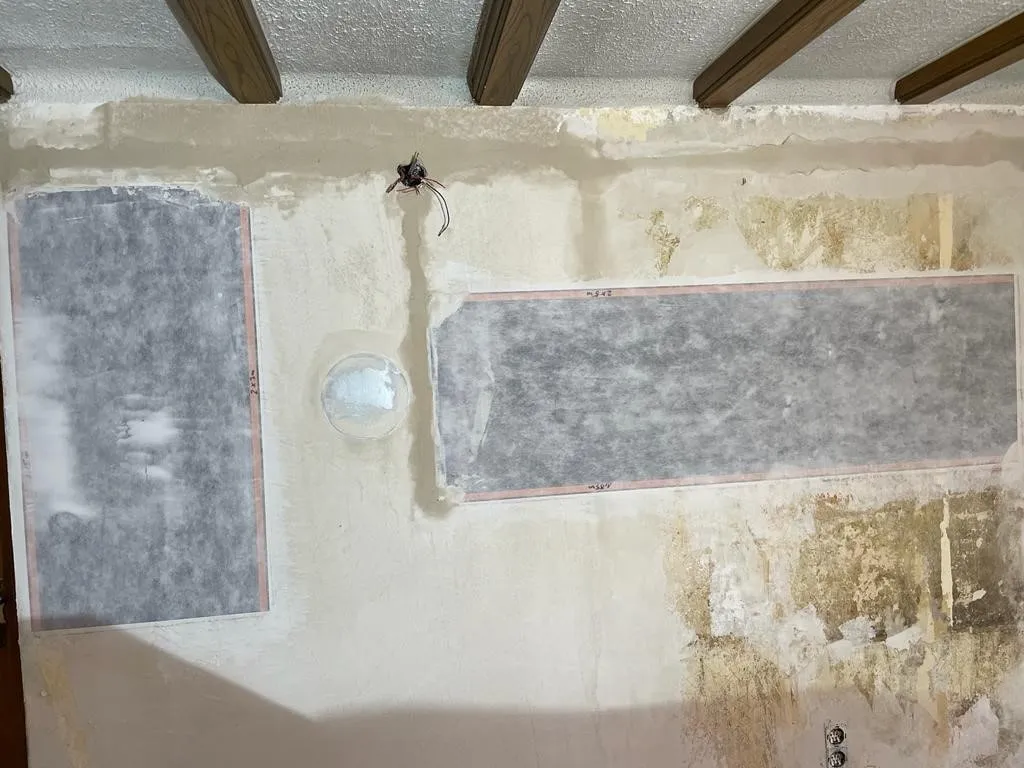
Infrared heaters: the benefits and the drawbacks
An even-handed look at infrared heating: what it does better than a radiator or heat pump, what it does worse, and when you should choose something else.
Read the article →
Infrared heating and solar: a better match than most
A low-voltage DC heating element can run straight off solar panels or a battery, no inverter needed. Why infrared and solar pair so well, and how to do it.
Read the article →Send us a floor plan.We will send back a heating system.
Project data, drawings or CAD files in. A room-by-room heat loss, element layout and priced proposal out. No obligation.