
Blog
Notes on radiant heating.
How infrared heating works, what it costs to run, and what it is actually like to live with. Written by the people who design and manufacture the systems.
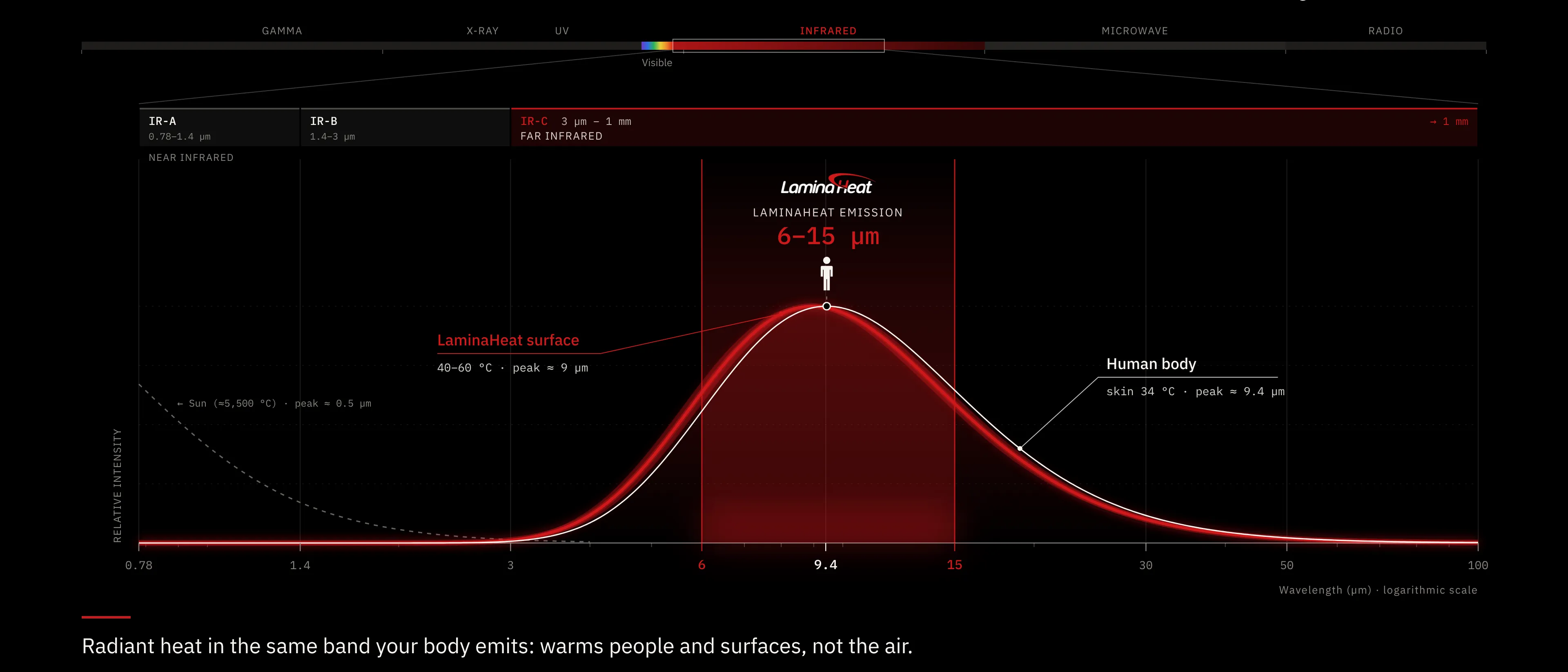
Far infrared heating: why 6 to 15 µm is the wavelength that matters
What wavelength does far infrared heating use? Why warm surfaces emit 6–15 µm, the same band as the human body, and what that means for comfort.
Read the article →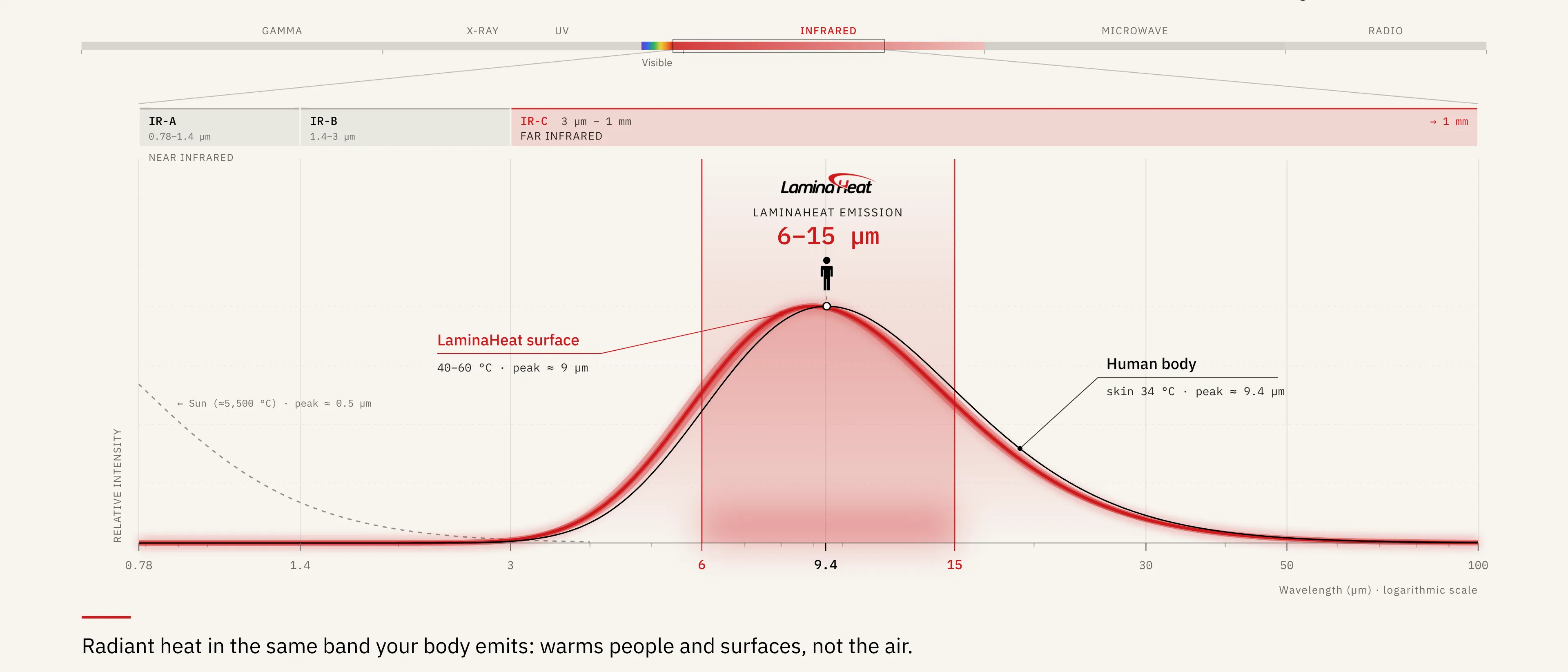
IR-A, IR-B and IR-C: which infrared is right for indoor heating?
IR-A, IR-B and IR-C explained: the wavelengths, which heaters emit each band, how they feel, and why long-wave IR-C suits homes, offices and clinics.
Read the article →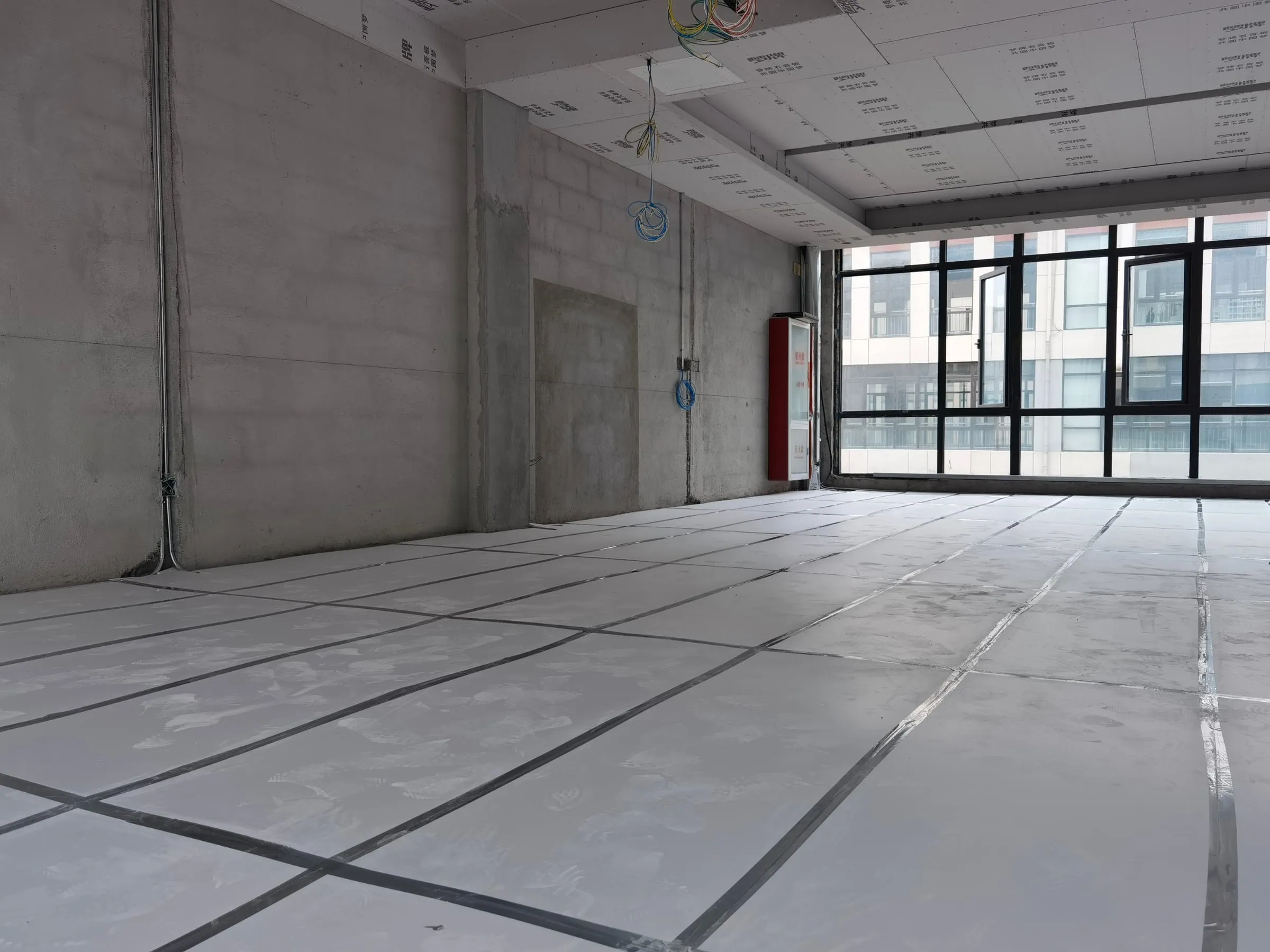
Electric underfloor heating for offices, shops and showrooms
Why commercial fit-outs choose electric underfloor heating: one-day install, no plant room, nothing on the walls or ceiling, simple zoning and metering, and a 10-year warranty.
Read the article →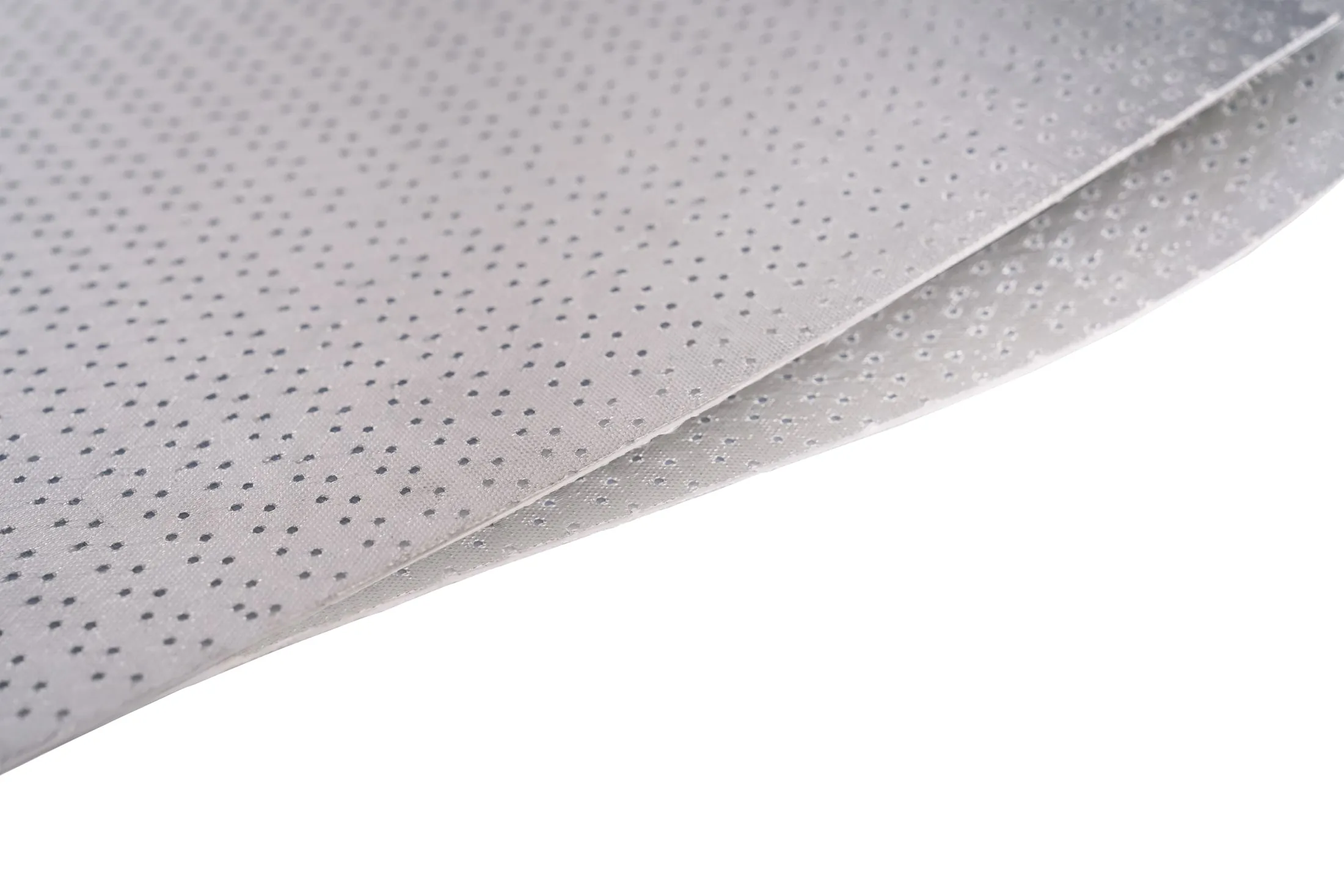
How long does electric underfloor heating last?
How long electric underfloor heating lasts, what the warranty covers, what a 20-year life test measures, and the few things that shorten the life of a heated floor.
Read the article →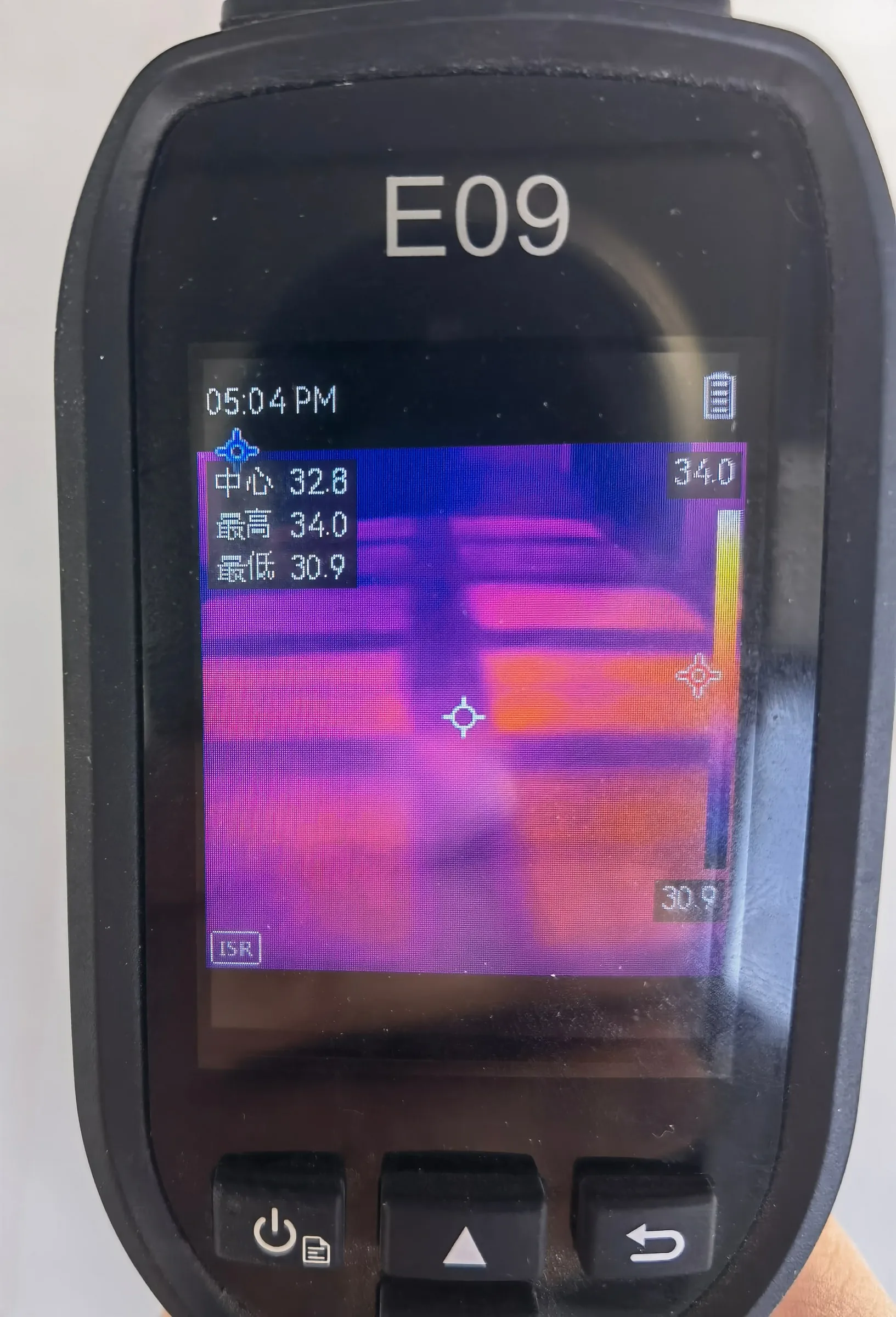
Electric underfloor heating not working? Seven common faults and what to check
Electric underfloor heating not warming up, tripping the RCD or heating unevenly? Seven common faults, what causes them, what you can check and when to call an electrician.
Read the article →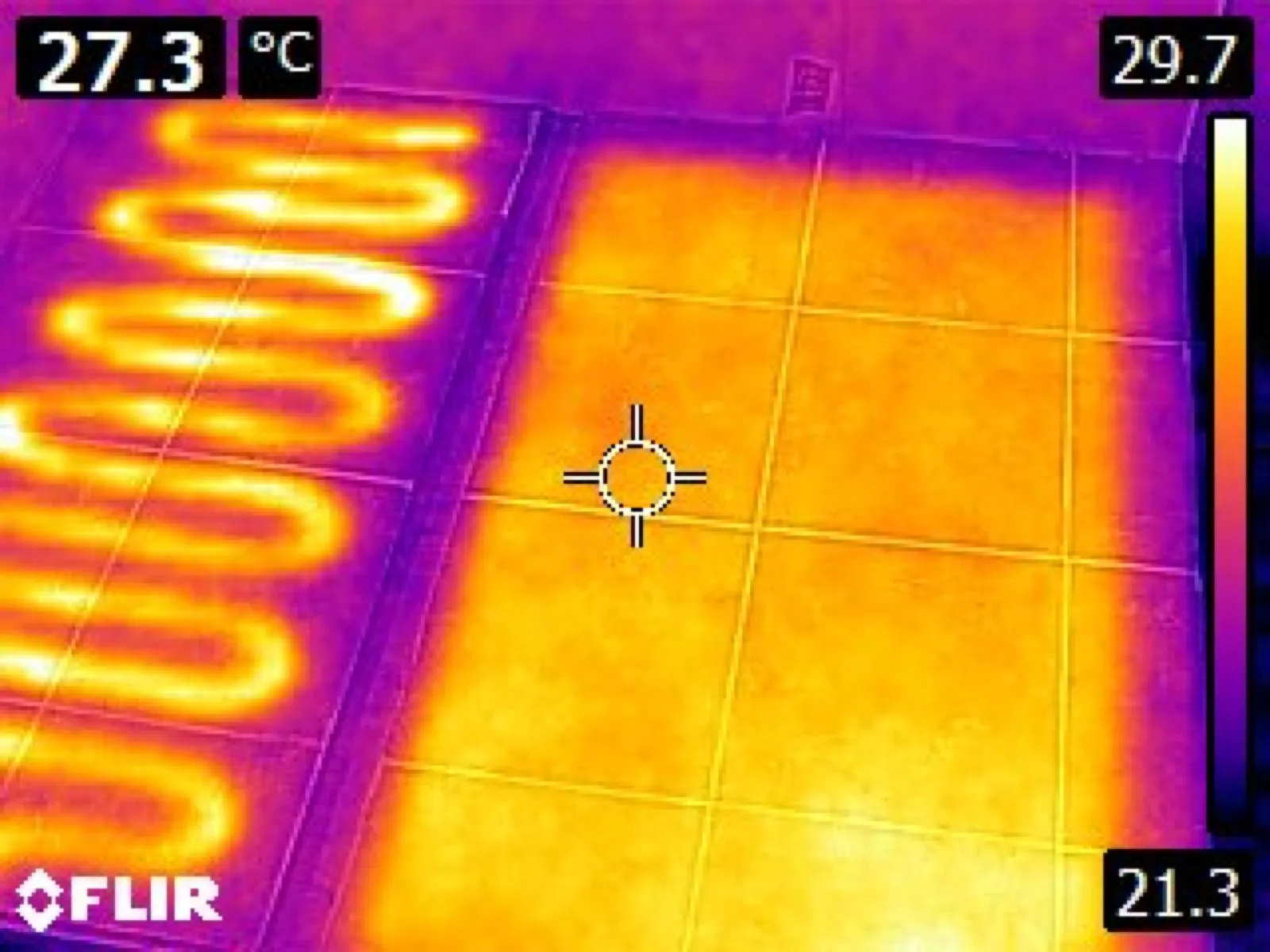
Heating film or heating mat? Carbon film vs cable underfloor heating
Electric underfloor heating film or a cable heating mat? How each heats the floor, build-up height, floor finishes, safety and running cost, with a side-by-side thermal test.
Read the article →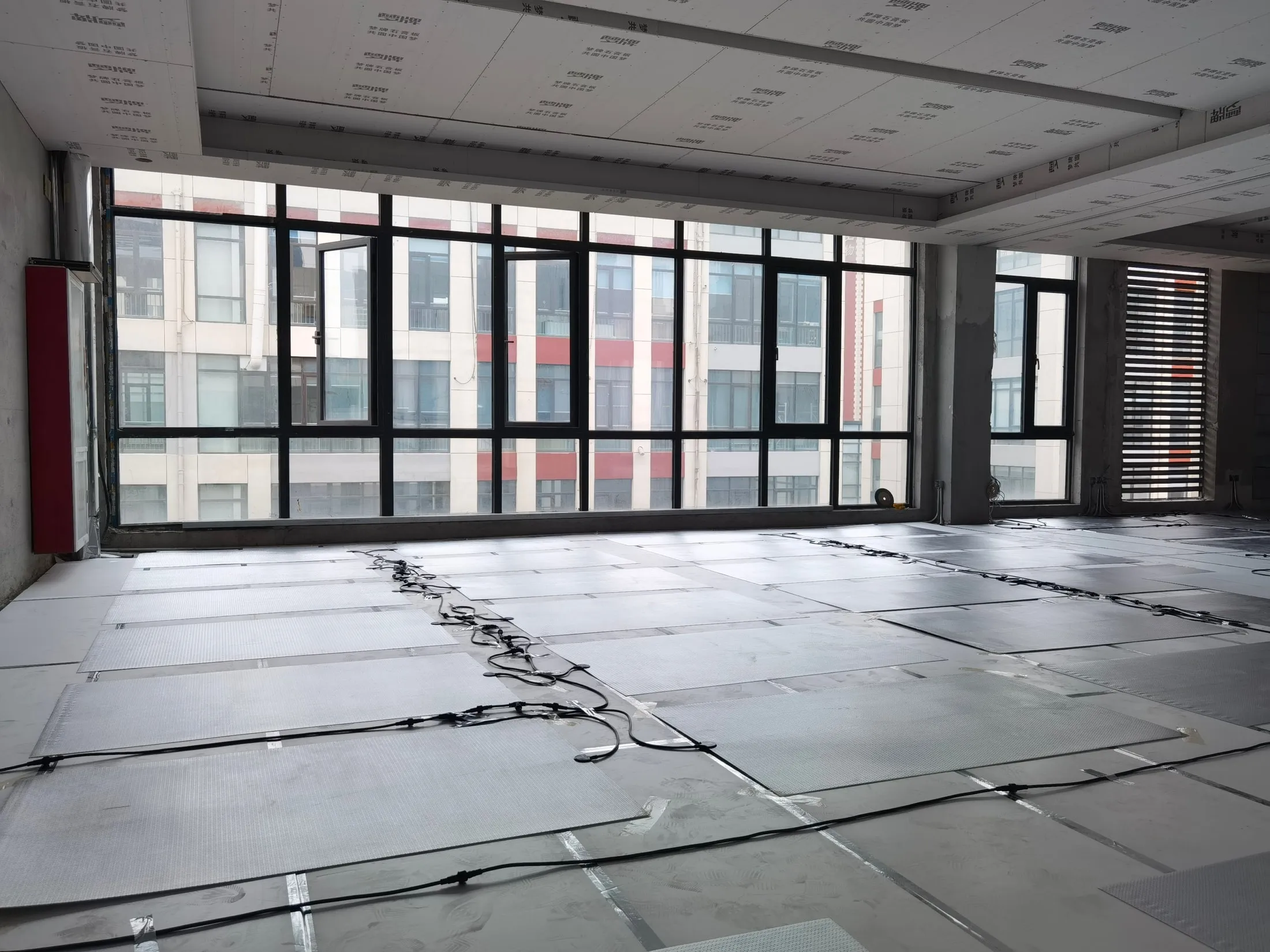
How to install electric underfloor heating film, step by step
How to install electric underfloor heating film under tiles or a floating floor: substrate, insulation, layout, connections, testing and first heat-up, step by step.
Read the article →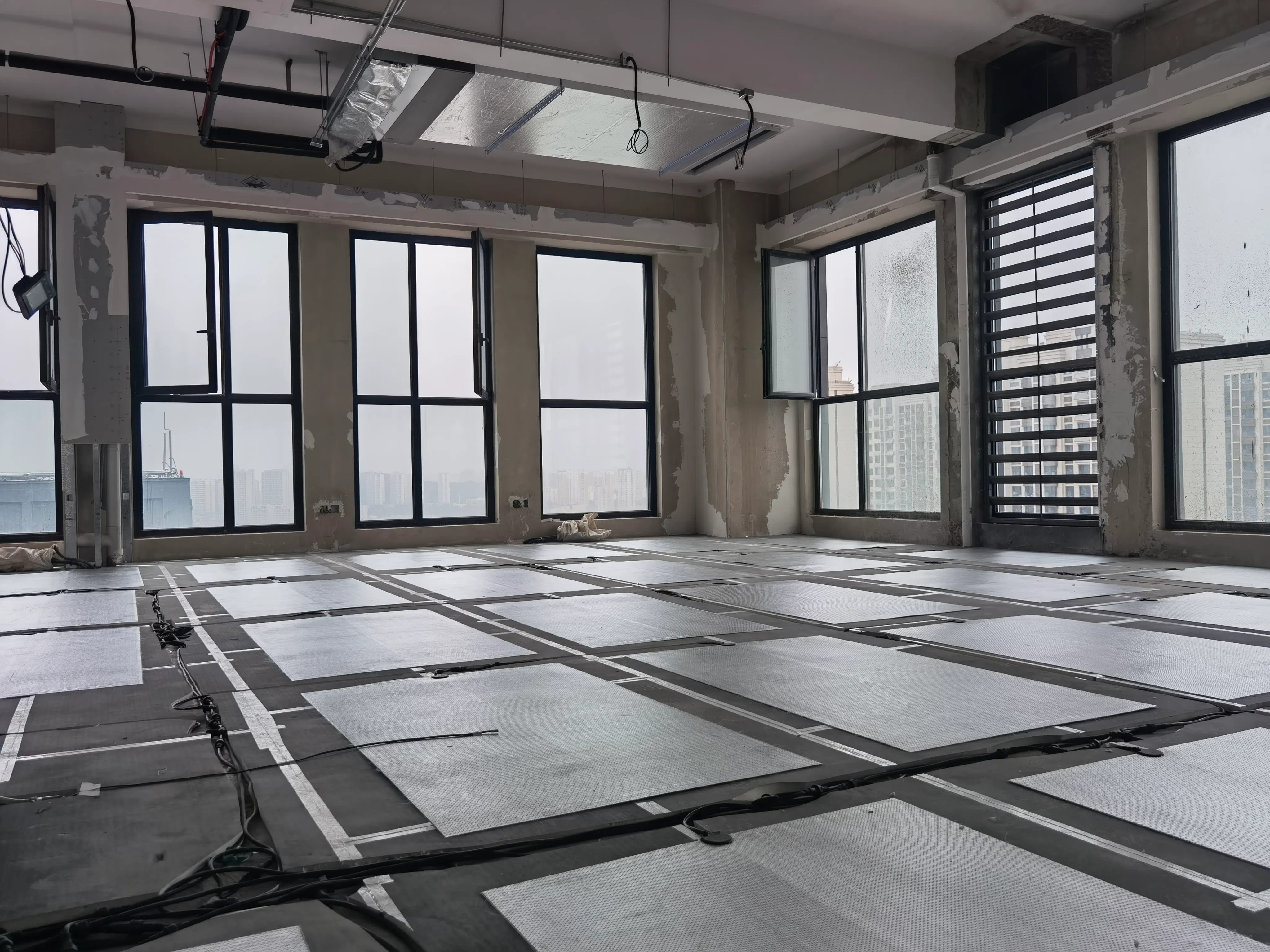
Insulation under electric underfloor heating: which board, how thick, and when you can skip it
Do you need insulation under electric underfloor heating? Which board to use (XPS or PIR), how thick, how to lay it, and the perimeter strip most installs forget.
Read the article →
Low voltage electric heating for bathrooms: zones, voltages and safety
Low voltage electric heating for bathrooms: what the bathroom zones allow, why SELV heating is safe near water, and how a 12–48 V system is installed.
Read the article →
Low voltage heating: how it works and why it is safer
What low voltage electric heating is, how a safety transformer feeds a 12–48 V heating element, and why it is safer in walls, floors and wet rooms.
Read the article →Send us a floor plan.We will send back a heating system.
Project data, drawings or CAD files in. A room-by-room heat loss, element layout and priced proposal out. No obligation.