Thermostats and floor sensors for electric underfloor heating
How to control electric underfloor heating: floor, air and combined sensor modes, where the thermostat and floor sensor go, zones, schedules and contactors for large floors.
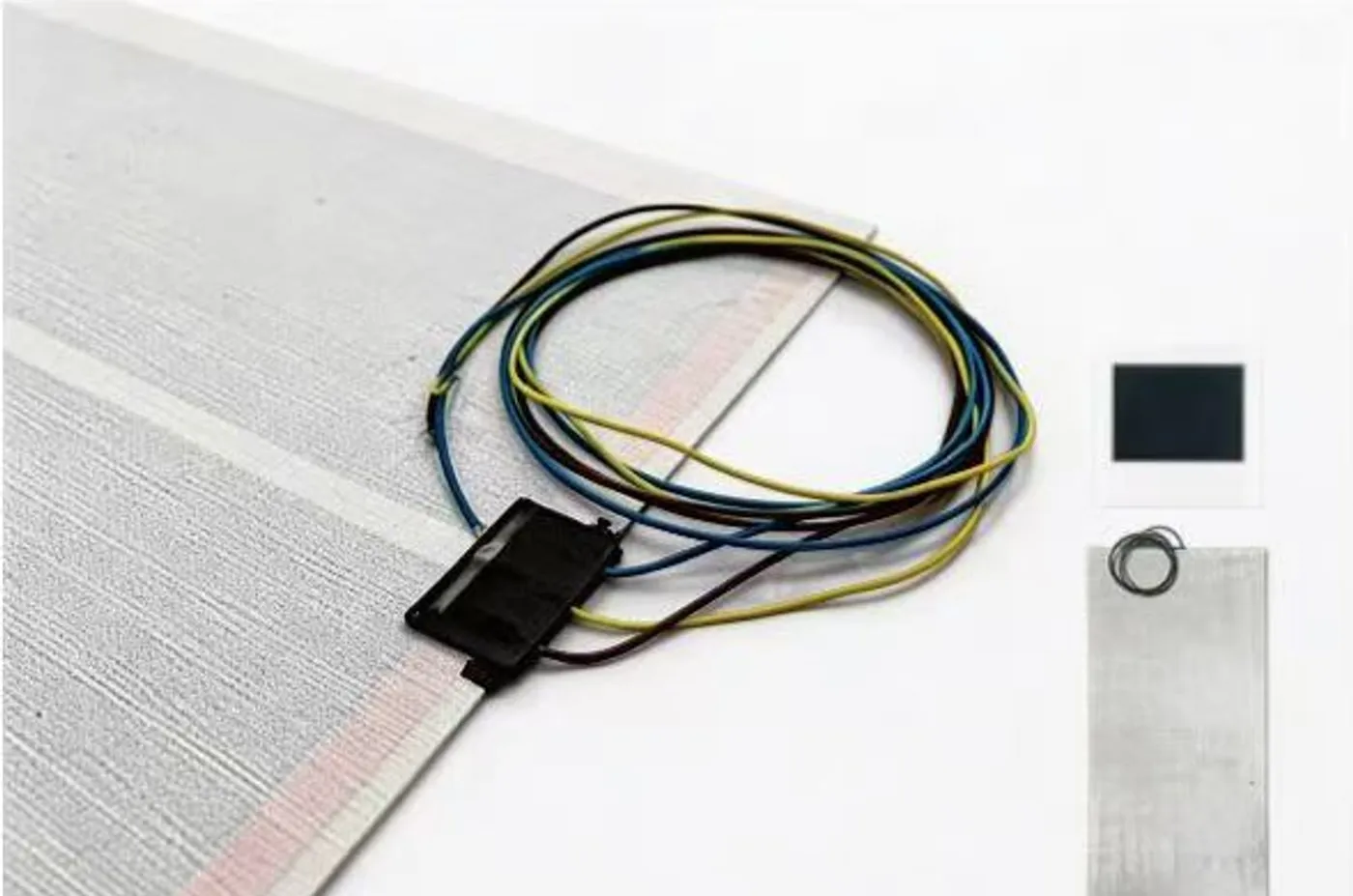
An electric floor is only as good as its controls. The heaters decide how much heat the floor can give; the thermostat and its floor sensor decide when it gives it, and protect the finish while it does. Every SafeTech EGS zone has one thermostat and one floor sensor.
Three ways to sense
| Mode | What it reads | Use it for |
|---|---|---|
| Floor sensor | Temperature in the floor, between two heaters | Bathrooms and kitchens where a warm floor is the point; floors with radiators doing the main heating |
| Air sensor | Room air at the thermostat | Rooms where the floor is the only heat and air temperature is what you care about |
| Combined | Air for comfort, floor as a limit | Wood, vinyl and laminate floors. Our default for floors that are the main heat source |
Combined mode is the one we use most. The thermostat heats to the room temperature you set, and the floor sensor caps the floor temperature so wood and vinyl are never overheated, however cold it is outside. Set the limit lower for timber than for tile.
Where the floor sensor goes
- In the middle of a gap between two heaters, at least 100 mm from the nearest heater edge.
- Away from outside walls, doors and windows, which would make it read cold.
- Inside a conduit run back to the wall, sealed at the floor end. If a sensor ever fails, it slides out and a new one slides in, with no lifting of tiles.
Where the thermostat goes
About 1.4 to 1.5 m above the finished floor, on an inside wall, out of direct sun and away from draughts, radiators and the oven. In bathrooms and kitchens it must be rated at least IP54 and sit outside the wet zones. Each thermostat has its own supply, and its earth is connected.
Zones
One thermostat per room is the rule in homes: each bedroom, the living area, the kitchen. It’s what lets you heat only the rooms in use, which is where most of the saving comes from (see what electric heating costs to run). In an open office or shop, one zone for the whole floor plate is often right, because it’s one room with one use.
Big floors: contactors
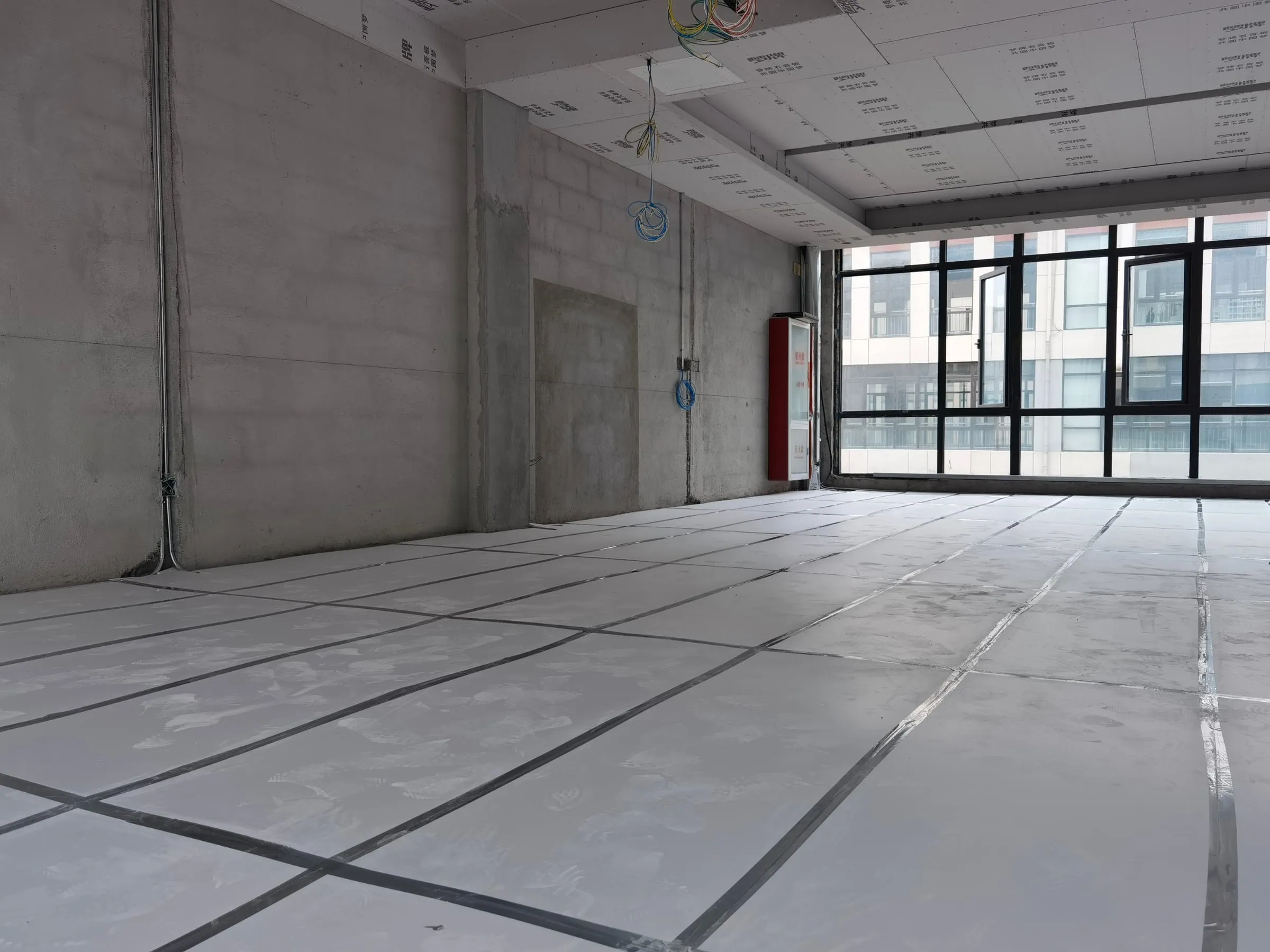
A thermostat switches up to 3,500 W (16 A). Above that, the thermostat drives a contactor in the distribution board, and the contactor switches the heaters. On our 120 m² Laoshan office, one thermostat controls 13.2 kW this way.
Schedules
An electric floor warms in minutes, not hours, so schedules work. Most people feel the warmth 30 to 40 minutes after switching on. Set each zone to start just before you need it and drop back when the room is empty, rather than holding the whole house at temperature all day.
Smart control
Our thermostats come with Tuya pre-installed, so weekly schedules and remote control work from a phone app out of the box. They also work with Wi-Fi and Zigbee smart-home systems, so the floor can sit alongside the rest of the house’s controls.
Underfloor heating thermostats: your questions
Do I need a floor sensor for electric underfloor heating?
Yes. Even when the thermostat controls on air temperature, the floor sensor limits the floor temperature to protect wood, vinyl and laminate.
Where should the floor sensor go?
Midway between two heaters, at least 100 mm from a heater edge, away from outside walls and doors, inside a conduit so it can be replaced without lifting the floor.
Floor sensor or air sensor: which is better?
Floor mode for bathrooms and comfort floors, air mode where the floor is the only heat, and combined mode for wood and vinyl floors used as the main heating.
How many heaters can one thermostat switch?
Up to 3,500 W, or 16 A. Larger zones use a contactor in the distribution board, switched by the thermostat.
Can I control underfloor heating from my phone?
Yes. Our thermostats come with Tuya pre-installed for app control and schedules, and work with Wi-Fi and Zigbee smart-home systems.
How long does electric underfloor heating take to warm up?
The floor responds in minutes. Most people feel the warmth 30 to 40 minutes after switching on, so schedules can start shortly before a room is used.
We draw zones and thermostat positions on every layout. Send us a floor plan to get yours.