Underfloor heating under resin, epoxy, microcement and polished concrete
Can you put electric underfloor heating under an epoxy, resin, microcement or polished concrete floor? The build-up, curing, temperatures and the mistakes to avoid.
Seamless floors are everywhere: epoxy and polyurethane resin in showrooms and studios, microcement in homes, polished concrete in lofts and shops. They’re hard, thin and cold underfoot, which makes them ideal for a heated floor. Electric underfloor heating works well under all of them, provided the heater is embedded properly and the floor is given time to cure.
Which heater
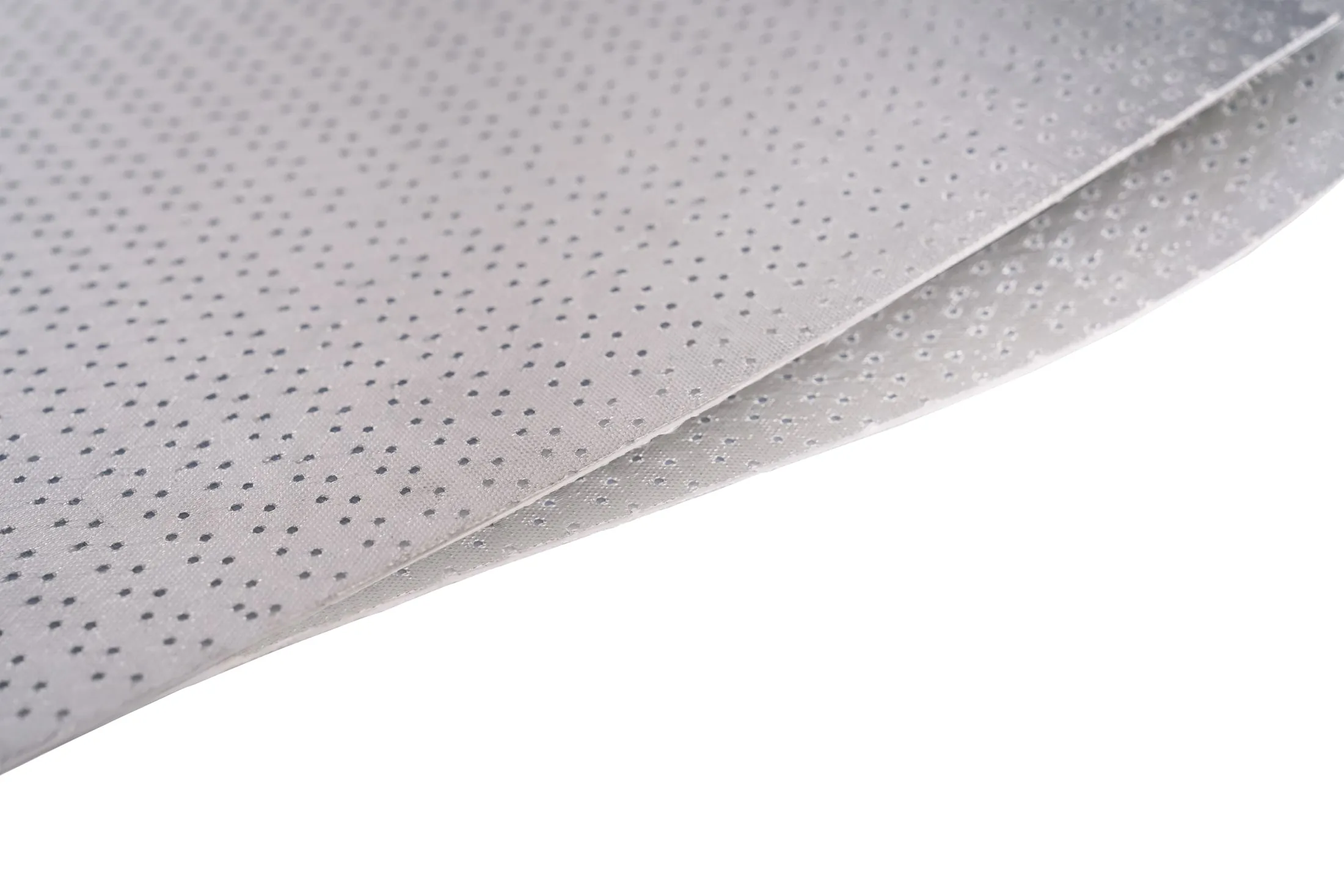
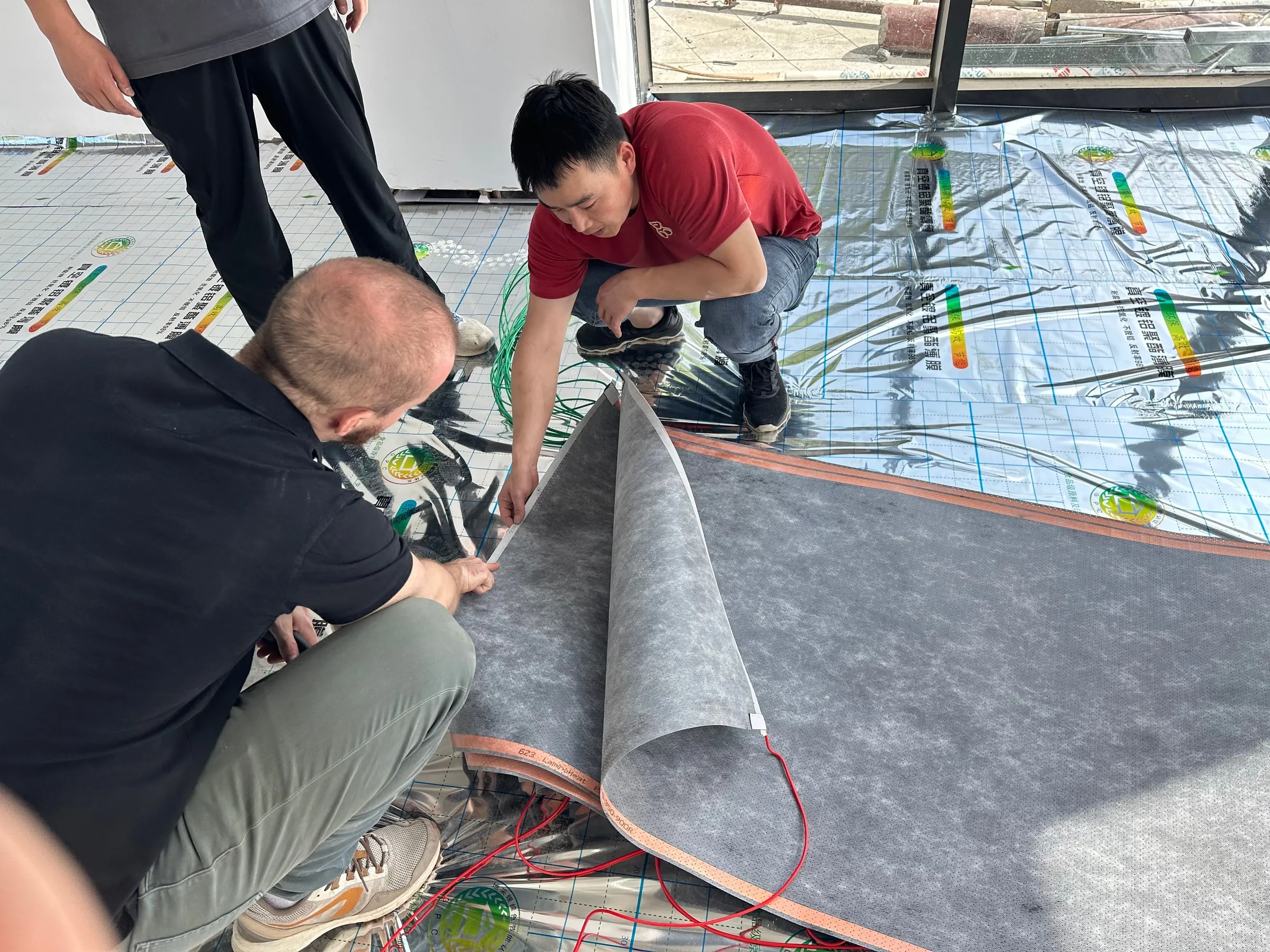
Under resin, microcement and screed we use the embedded version of SafeTech EGS, EGS21E. Its heavier encapsulation is made to sit inside a levelling layer or screed and take the trowel and the weight above it. The film is 1.4 mm thick and 12 mm at the connection, which disappears inside the levelling layer. It can be embedded in a screed up to 5 cm deep.
Don’t put the thin EGS21F under a poured or troweled finish. It’s designed for floating floors and tile adhesive.
The build-up
From the slab up:
- Insulation. At least 20 mm of XPS or 10 mm of PIR at 250 kPa. See insulation under electric underfloor heating.
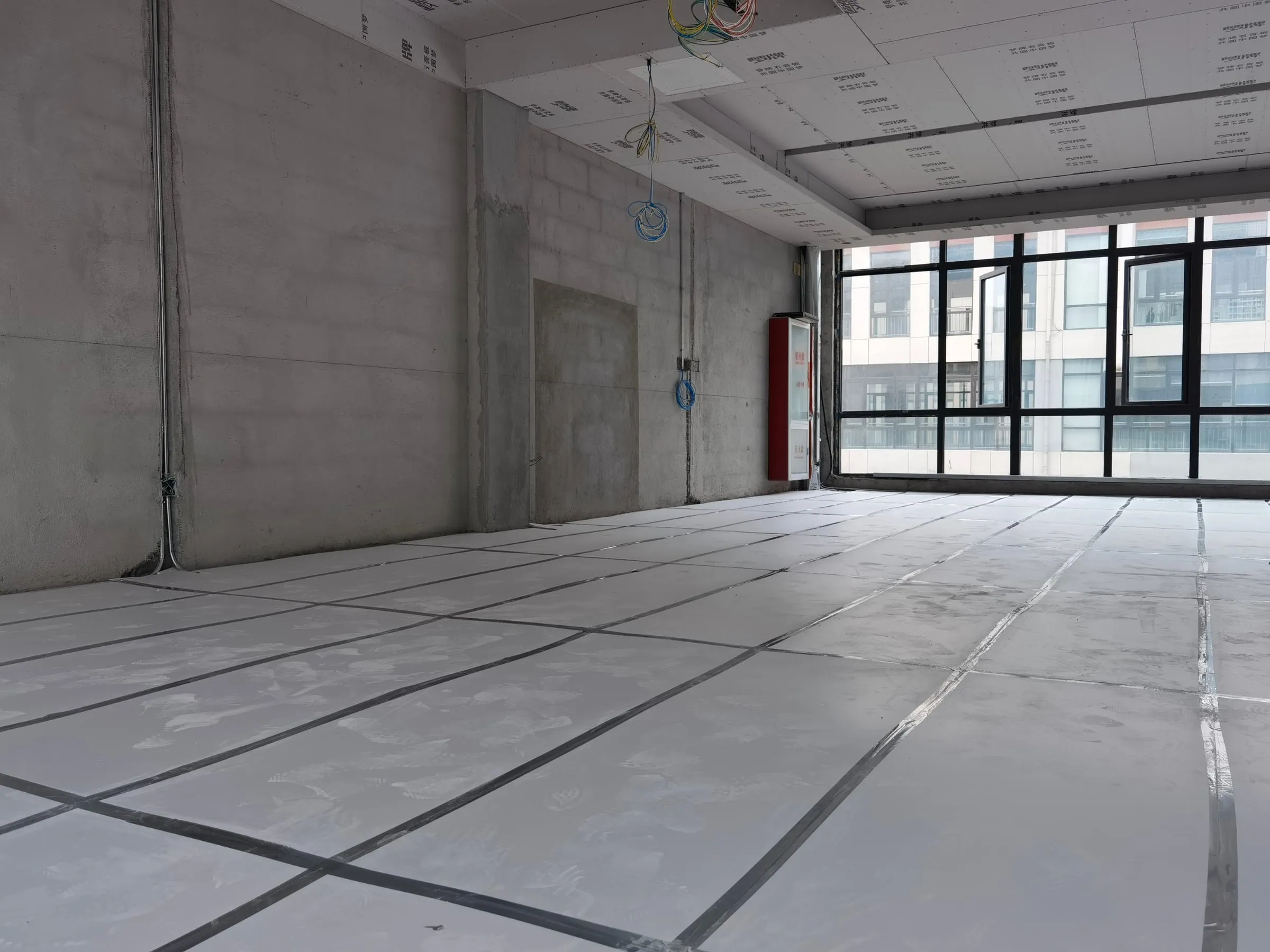
- SafeTech EGS21E, laid to the drawing, tested before covering.
- Anti-crack mesh and fibre-reinforced levelling mortar, at least 5 mm over the heaters. We use MAPEI FIBERPLAN XTRA; the full MAPEI build-up is in our adhesive guide.
- Primer and the resin, microcement or concrete finish, to the finish manufacturer’s instructions for heated floors.
The levelling layer does two jobs. It protects the heaters from the resin trades, and it gives a flat, sound, crack-resistant base. A seamless finish shows every crack below it, which is why the mesh matters; we explain why in electric or wet underfloor heating.
Polished concrete
Polished concrete is a screed, not a coating. EGS21E can sit in the screed up to 5 cm deep. The deeper it sits, the slower the floor responds: a thick slab warms over hours, like a wet floor, rather than in minutes. If you want a polished look with fast response, a thinner microcement or a polished-effect resin over a levelling layer is the better choice.
Curing and first heat
Resin and cement both need to cure fully before they are heated. Follow the finish manufacturer’s cure time, then start the floor at 15 °C for the first day and raise it 5 °C a day to the design temperature. Heating too early pulls water out of a cementitious layer too fast and is a common cause of cracks and bubbles.
Temperatures
SafeTech EGS works with any epoxy, polyurethane or other resin system, and keeps the floor surface under 29 °C in normal rooms. Follow the resin manufacturer’s instructions for primer, application and curing.
What to avoid
- No fixings into the floor. Plan floor sockets, display fixings and machine anchors on the layout drawing and keep heaters away from them.
- No heaters under fixed counters or display plinths; keep 200 mm clear.
- No steam cleaning on the heated area.
Heating under resin and concrete floors: your questions
Can you have underfloor heating under an epoxy floor?
Yes. Embed the heater (SafeTech EGS21E) in a fibre-reinforced levelling layer at least 5 mm thick, then apply the epoxy system to its manufacturer’s instructions for heated floors.
Can you put underfloor heating under microcement?
Yes, over a levelling layer with an anti-crack mesh. The levelling layer protects the heaters and gives the microcement a sound, crack-resistant base.
Does underfloor heating work with polished concrete?
Yes. SafeTech EGS21E can be embedded in a screed up to 5 cm deep. A deep screed responds slowly, so for fast warm-up a thinner finish over a levelling layer is better.
When can I switch on the heating under a new resin floor?
Only after the resin and levelling layer have fully cured. Then start at 15 °C and raise by 5 °C a day.
Will underfloor heating crack a resin floor?
Cracks usually come from the slab below or from heating too early. An anti-crack mesh, a flexible levelling mortar, perimeter strips and a slow first heat-up prevent them.
Planning a seamless floor? Send us a floor plan and tell us the finish; we’ll send the build-up.